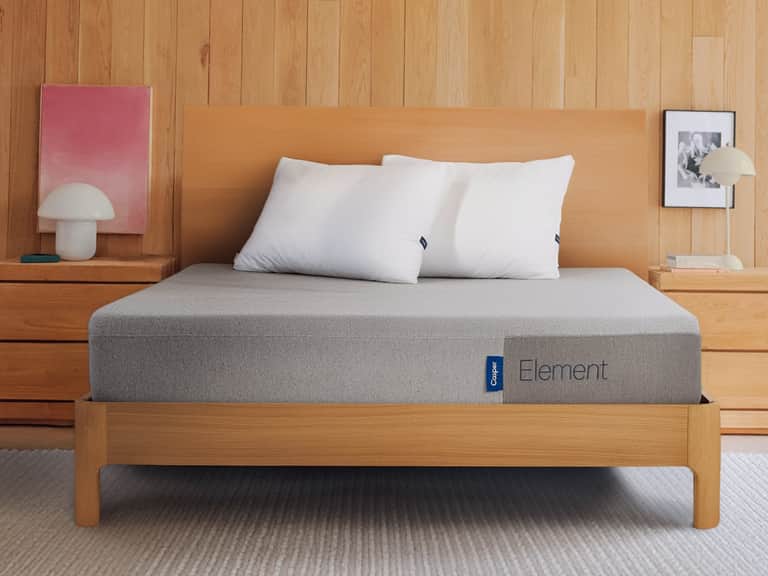
Foam mattresses represent a distinct category of sleep surfaces known for contouring support and pressure relief. In this category, foam formulations vary in density and firmness, influencing spinal alignment and motion isolation. Essential features include high-resilience foams for durability and viscoelastic foams for body-conforming comfort, suitable for diverse sleeping positions.
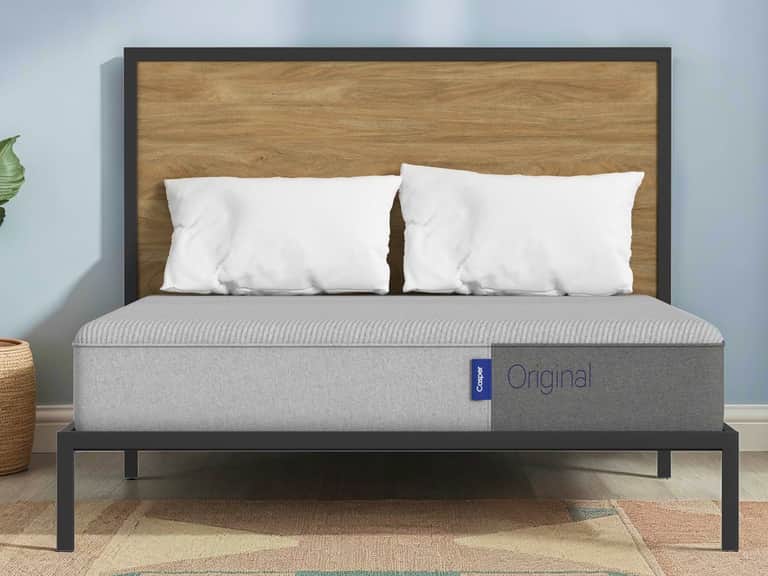
Original Mattress and Element Mattress exemplify how foam layers can balance comfort and support. The Original Mattress often prioritizes even weight distribution and targeted pressure relief, while the Element Mattress emphasizes breathable design and responsive foams. Both types align the spine, reduce motion transfer, and adapt to body heat during sleep.
Key uses of foam mattresses include quiet operation, reduced partner disturbance, and suitability for guest rooms or modular bed frames. Layered constructions with transition foams help bridge soft comfort zones to firmer support areas. Memory foam pillows and other bedding accessories complement foam mattresses by enhancing neck support and overall sleeping posture.
Material considerations for foam mattresses focus on density, open-cell structure, and cooling technologies. Higher-density foams typically offer longer durability and support, while breathable constructions promote airflow to regulate temperature. The inclusion of memory foam components contributes to slower response times, increasing contouring comfort for pressure-sensitive areas.
For readers exploring bedding options, understanding how foam mattresses interact with sheets and pillow configurations is essential. Organic mattress integrations and compatible textiles influence overall sleep quality. MetaKeywords such as bedding, memory foam pillows, and sheets highlight intersections between mattress comfort, accessory selection, and long-term sleep health.
 Mattresses