Latex is a resilient material used in mattresses and bedding for its buoyant, responsive feel. Unlike materials that slowly conform around the body, latex typically responds quickly to changes in position. Its characteristics vary by formulation and construction, so details such as firmness, layering, and certifications help explain how a latex product may feel and perform.
In an innerspring mattress, latex may be incorporated as a comfort layer above the coil system. The coils provide support and airflow through the mattress, while latex can add cushioning and pressure distribution. This combination may suit people seeking a responsive sleep surface, though comfort depends on the complete mattress design and individual needs.
Latex is also associated with resilience and durability, but performance depends on the type of latex, its density, and how it is processed. Natural latex is made from rubber tree sap, while synthetic and blended versions use different materials. Product descriptions and certifications can clarify composition, sourcing, and relevant material standards.
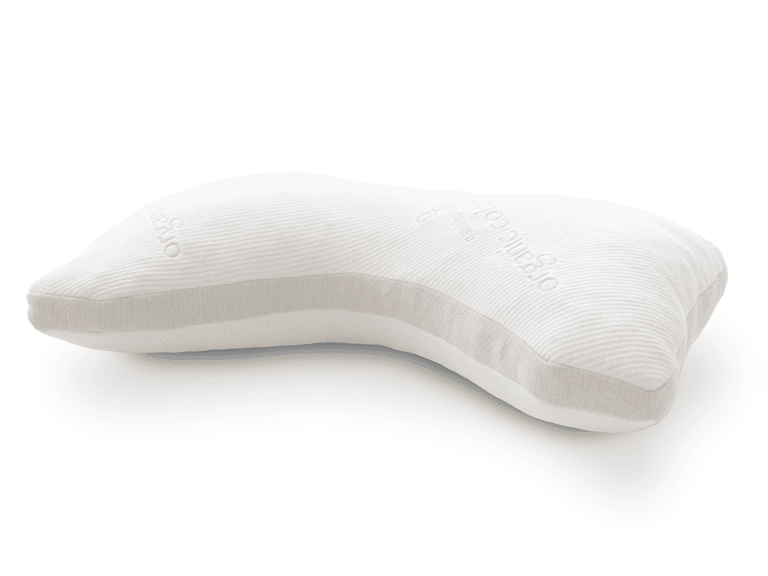
Related bedding, including sheets and pillows, contributes to overall sleep comfort. The Naturepedic Organic Side Sleeper Pillow is designed for side-sleeping use, with a shape and cushioning intended to support the head and neck. Its organic materials may appeal to people comparing organic mattresses and bedding; consult its specifications for exact materials and care guidance.
When comparing latex bedding, consider sleeping position, preferred firmness, temperature comfort, and possible material sensitivities. Latex is distinct from memory foam pillows and other slow-response foams, although both may provide cushioning. Reviewing construction details alongside compatible sheets and pillows helps explain how each component may contribute to a consistent and supportive sleep setup.
 Bedding